
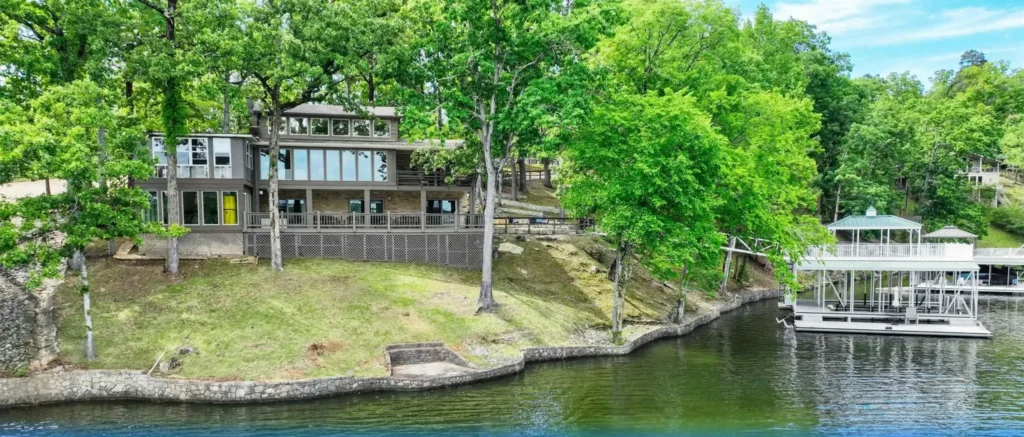
Owning a vacation home at Pickwick Lake is a wonderful way to enjoy weekends, boating, fishing, and time with family and friends. But maintaining a lake house that may sit empty for days or weeks at a time comes with some additional responsibilities.
Whether your home is in Counce, Savannah, Tennessee, Iuka, Mississippi, or another community around Pickwick Lake, staying ahead of humidity, pests, plumbing problems, and seasonal maintenance can help protect your property.
This Pickwick Lake vacation home maintenance guide covers practical steps homeowners can take throughout the year, along with useful supplies and local services that can help make owning a second home a little easier.
Table of Contents
Control Humidity and Prevent Moisture Problems
Moisture is one of the most important things to monitor in a Pickwick Lake vacation home, especially one that may sit unoccupied for days or weeks at a time.
Humidity, plumbing leaks, condensation, and inadequate ventilation can create conditions that encourage mold growth, musty odors, and damage to furnishings or building materials.
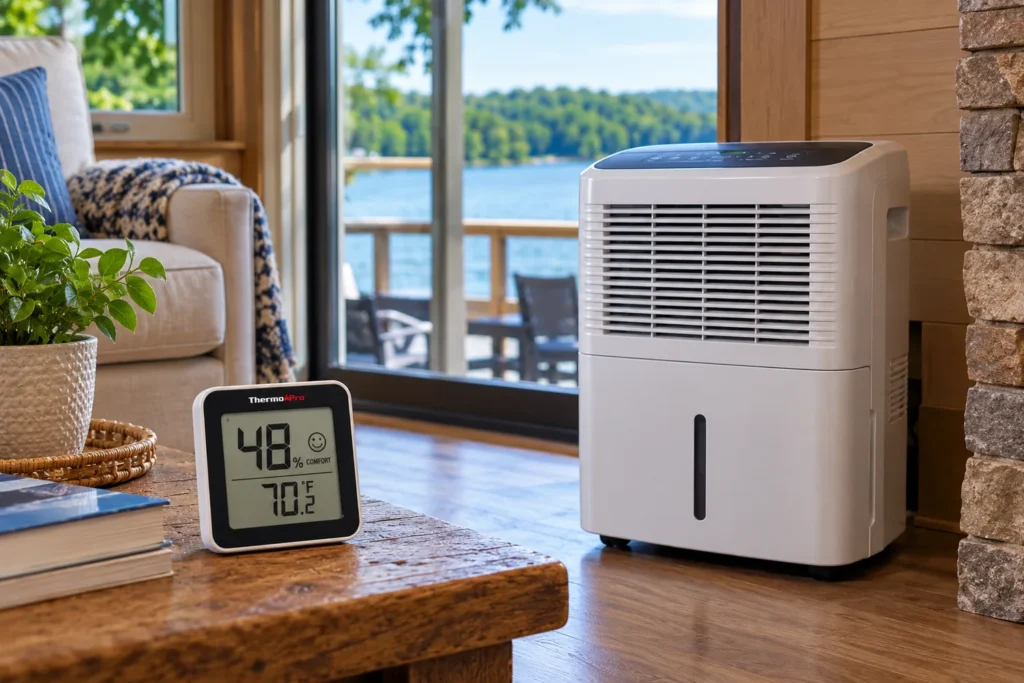
The U.S. Environmental Protection Agency recommends keeping indoor relative humidity ideally between 30% and 50%. A small digital humidity monitor, also called a hygrometer, can help you track moisture levels throughout your home.
Practical tips for controlling humidity:
- Monitor indoor humidity: Check living areas, closets, bathrooms, and other spaces that tend to feel damp.
- Maintain your HVAC system: Regularly replace or clean air filters as recommended and make sure condensate drains are functioning properly.
- Consider a dehumidifier: A properly sized unit may help manage excess moisture. For extended operation, consider drainage arrangements, cleaning requirements, and manufacturer safety instructions.
- Check for hidden moisture: Inspect beneath sinks, around windows, near appliances, and in other areas where leaks or condensation may occur.
- Address musty odors promptly: Persistent odors or visible moisture may indicate a problem that needs investigation rather than simply another cleaning product.
For vacation homeowners who aren’t always at the property, a humidity monitor with remote notifications can provide useful information between visits, provided the device has the connectivity and power it needs.
If your home continues to experience moisture problems, consider having a qualified HVAC professional inspect the system. A dehumidifier cannot solve an active plumbing leak, roof leak, or other underlying source of water intrusion.
For additional information, visit the EPA’s Guide to Mold and Moisture.
Protect Your Vacation Home From Water Leaks
One of the biggest risks of owning a vacation home at Pickwick Lake is discovering water damage after the property has been sitting empty. A small plumbing leak that might be noticed immediately in a full-time residence could continue for days before anyone discovers it.
Water heaters, washing machines, refrigerators with water lines, sinks, toilets, and exposed plumbing are all worth inspecting regularly.
Practical ways to reduce the risk of water damage:
- Install water leak detectors: Place sensors near water heaters, washing machines, sinks, and other areas where leaks may occur.
- Consider remote alerts: Some smart leak detectors can send notifications to your phone when moisture is detected. Make sure the device is compatible with your internet connection and monitoring needs.
- Inspect plumbing regularly: Check for dripping faucets, leaking supply lines, running toilets, and signs of moisture around appliances.
- Understand your main water shutoff: Know where the valve is located and whether shutting off the water while you’re away is appropriate for your property’s plumbing and other systems.
- Arrange occasional property checks: Have someone you trust inspect the home, particularly after severe weather or an extended absence.
For Pickwick Lake homeowners who spend weeks away from their property, a water leak detector with remote notifications may be especially helpful. However, these devices are not a substitute for regular inspections or proper plumbing maintenance.
If you notice repeated leaks, water pressure problems, or damaged plumbing, consider contacting a professional. Browse plumbing services around Pickwick Lake to find businesses serving the area.
For additional advice, visit the EPA’s guide to finding and fixing household water leaks.
Keeping Insects and Pests Out of Your Lake House
Vacation homes around Pickwick Lake are often surrounded by trees, wooded lots, and natural areas. While these settings are part of what makes lake living enjoyable, they can also create opportunities for spiders, ants, mosquitoes, rodents, and other pests to enter a home.
For properties that sit empty between weekends or vacations, preventing pests from getting inside is generally easier than dealing with an established infestation.
Practical ways to prevent pests in your lake house:
- Seal entry points: Inspect doors, windows, foundations, and areas where plumbing or electrical lines enter the home. Repair gaps and cracks that could allow insects or rodents inside.
- Maintain screens and door sweeps: Replace damaged window screens and install weatherstripping or door sweeps where needed.
- Keep food properly stored: Seal pantry items, clean kitchen surfaces, and remove garbage before leaving the property.
- Eliminate standing water: Empty containers, clean clogged gutters, and address drainage problems that may encourage mosquitoes.
- Reduce clutter and moisture: Keep storage areas organized and address damp conditions that may attract pests.
- Inspect regularly: Look for droppings, damaged packaging, insect activity, and other signs of an emerging problem.
Choosing Pest-Control Products Carefully
Many homeowners use insect sprays, traps, or other pest-control products. However, the safest and most effective approach depends on the particular pest and where treatment is needed.
For homes near Pickwick Lake, homeowners should be especially careful when using pesticides outdoors. Products should never be applied directly to the lake or allowed to enter waterways or drainage systems contrary to their labels.
Products marketed as natural or plant-based are not automatically harmless to people, pets, wildlife, or aquatic environments.
Start with prevention whenever possible, and always follow product label instructions if chemical treatments become necessary.
Simple supplies such as door sweeps, replacement window screens, weatherstripping, and suitable pest-monitoring traps can be useful for vacation-home maintenance.
For homeowners who need assistance preparing or cleaning a property between visits, browse cleaning services around Pickwick Lake.
For additional guidance, visit the EPA’s Pest Control Resources for Residents.
Prepare Your Pickwick Lake Home for Every Season
Maintaining a vacation home at Pickwick Lake involves different responsibilities throughout the year. From summer humidity and boating activities to winter freezes and spring storms, seasonal preparation can help protect your property and reduce unexpected maintenance problems.
Whether you visit your lake house every weekend or only a few times each season, the following checklist can help you stay organized.
Spring Maintenance Checklist
Spring is a good time to inspect your lake house after the colder months and prepare for increased use during boating season.
- Inspect the roof and gutters: Look for storm damage, loose materials, and debris that may prevent water from draining properly.
- Schedule HVAC maintenance: Have your air-conditioning system serviced before the hottest weather arrives.
- Check plumbing fixtures: Inspect faucets, toilets, water heaters, and exposed plumbing for leaks or signs of damage.
- Inspect decks and outdoor areas: Look for loose railings, damaged boards, slippery walkways, and other potential hazards.
- Check docks and boat lifts: Inspect equipment for damage or wear, and arrange professional service when needed.
- Test safety equipment: Check smoke alarms, carbon monoxide detectors, and other safety devices according to manufacturer instructions.
Summer Maintenance Checklist
Summer is typically a busy time for vacation homeowners around Pickwick Lake. Warm temperatures, increased humidity, and frequent visitors make regular maintenance especially important.
- Monitor indoor humidity: Check that your cooling and moisture-control systems are maintaining comfortable conditions.
- Maintain air filters: Clean or replace HVAC filters according to the manufacturer’s recommendations.
- Watch for insects and pests: Inspect screens, door seals, and storage areas for unwanted activity.
- Remove wet items: Avoid leaving damp towels, swimsuits, and boating equipment inside closed rooms.
- Check outdoor living spaces: Inspect decks, furniture, grills, and walkways for wear or damage.
- Inspect frequently used plumbing: Check bathrooms, kitchens, and laundry areas for leaks, particularly after hosting guests.
If your lake house sits empty between visits, consider arranging occasional property checks during extended periods away.
Fall Maintenance Checklist
Fall is an excellent time to address maintenance issues before colder weather arrives.
- Clean gutters and drainage areas: Remove fallen leaves and debris that could contribute to water problems.
- Inspect heating equipment: Schedule maintenance and verify that the heating system is operating correctly.
- Seal gaps around doors and windows: Replace damaged weatherstripping and check for openings that may allow pests inside.
- Prepare outdoor plumbing: Identify exposed pipes and fixtures that may require protection from freezing.
- Check trees and landscaping: Look for damaged or overhanging limbs that could threaten the house during storms.
- Arrange seasonal dock and boat-lift maintenance: Follow the equipment manufacturer’s recommendations and consider changing water conditions.
Fall is also a good time to review your homeowner’s insurance coverage and understand any requirements for properties left vacant during winter.
Winter Maintenance Checklist
Although Pickwick Lake generally experiences milder winters than many northern vacation destinations, freezing temperatures and winter storms can still create serious problems for an unattended home.
- Protect plumbing from freezing: Have a qualified professional help determine appropriate precautions for exposed pipes and vacant-home plumbing systems.
- Maintain appropriate indoor temperatures: If the home remains heated, follow guidance appropriate for the building, plumbing, heating equipment, and insurance requirements.
- Consider a low-temperature alert: A compatible smart thermostat or temperature monitor may help notify you if indoor temperatures fall unexpectedly.
- Check for storm damage: Arrange inspections following severe weather, particularly when the property has been vacant.
- Monitor for water leaks: Confirm that plumbing precautions and leak-monitoring devices are functioning as intended.
- Arrange occasional inspections: Ask a trusted local contact or property-care professional to check the home during extended absences.
For homes that will remain unoccupied for much of the winter, consider developing a winterization plan with a qualified plumber or property-maintenance professional.
A helpful habit: Keep a simple seasonal maintenance log for your lake house. Record HVAC servicing, repairs, inspections, and other work so you know what has been completed and what needs attention during your next visit.
Inspect Your Roof, Gutters, Trees, and Outdoor Areas
Homes around Pickwick Lake are often surrounded by mature trees, wooded landscapes, and outdoor living areas. While these features make lake properties appealing, they can also create additional maintenance responsibilities, especially when a vacation home sits unoccupied between visits.
Storms, heavy rainfall, falling branches, clogged gutters, and deteriorating exterior materials can cause damage that may go unnoticed until the homeowner returns.
Important outdoor maintenance tasks:
- Inspect your roof: Look for missing or damaged shingles, loose flashing, and signs of storm damage. If you suspect a problem, arrange a professional inspection rather than climbing onto the roof yourself.
- Keep gutters and downspouts clear: Remove leaves, pine needles, and other debris that can prevent proper drainage. Make sure downspouts direct water away from the foundation.
- Check trees near the house: Watch for dead limbs, leaning trees, and branches hanging over the roof, driveway, or outdoor structures.
- Inspect decks and railings: Check for loose boards, deteriorating wood, damaged fasteners, and unstable railings. Pay particular attention to stairs and elevated decks.
- Maintain exterior drainage: Look for standing water, erosion, or areas where rainwater collects near the foundation.
- Check outdoor furniture and equipment: Secure loose furniture, grills, umbrellas, and other items before leaving the property for an extended period.
Why Regular Exterior Inspections Matter
A minor roof leak or drainage problem may become a much larger repair if it goes undetected for several weeks.
Homeowners should consider inspecting their property after significant storms, especially when strong winds or heavy rainfall have occurred.
For lakefront homes, also pay attention to erosion, retaining walls, steps leading toward the water, and drainage patterns that could affect outdoor structures.
If you notice roof damage, browse roofing contractors around Pickwick Lake to find local businesses offering roofing services.
For tree trimming, removal, or storm-related cleanup, visit our Pickwick Lake tree service directory.
Tree removal, roof repairs, and work on elevated structures can be dangerous. Leave hazardous work to qualified professionals.
A helpful tip for absentee homeowners: Consider arranging for a trusted neighbor or local property-care professional to visually inspect the exterior after severe weather. Discovering a problem early can help reduce additional damage before your next visit.
Maintain Your Boat Dock, Boat Lift, and Waterfront Areas
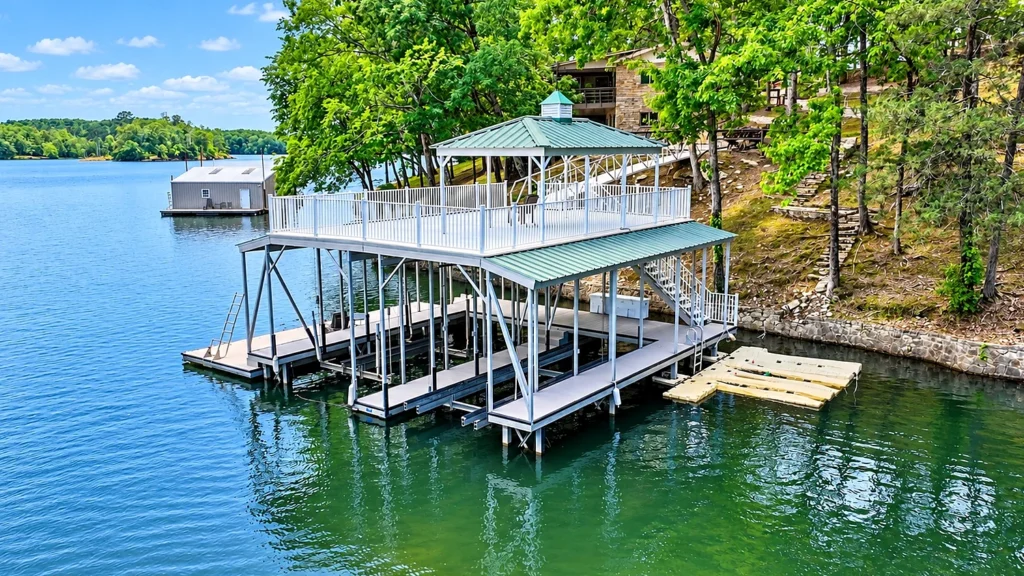
For homeowners with waterfront property at Pickwick Lake, maintenance extends beyond the house itself. Boat docks, boat lifts, walkways, and shoreline structures are exposed to changing water levels, weather, and regular use throughout the boating season.
Inspecting this equipment regularly can help identify potential safety concerns, avoid unexpected repairs, and protect your waterfront investment.
Important waterfront maintenance tasks:
- Inspect dock structures: Look for loose boards, damaged decking, deteriorating supports, and unstable railings or stairs.
- Check boat lift equipment: Inspect cables, pulleys, motors, brackets, and other lift components for visible wear or damage. Follow the manufacturer’s maintenance recommendations.
- Inspect flotation and anchoring systems: Floating docks should be checked for damaged flotation components, loose connections, and problems with their anchoring systems.
- Monitor water depth: Pay attention to changing lake levels, particularly in shallow coves where boat lifts and docks may become difficult to use during certain periods.
- Check electrical equipment: Dock outlets, wiring, lighting, and boat-lift electrical systems should be inspected by appropriately qualified professionals.
- Keep walkways safe: Remove debris and address slippery surfaces, loose fasteners, and damaged steps.
- Prepare for severe weather: Follow manufacturer recommendations for securing boats, lifts, and waterfront equipment before storms.
If you discover damaged lift cables, faulty electrical components, or structural problems, avoid operating the equipment until it has been inspected or repaired by a qualified professional.
Understanding TVA Water Levels and Shoreline Permits
Pickwick Lake is part of the Tennessee Valley Authority’s reservoir system, and water levels can change throughout the year.
TVA generally begins its seasonal drawdown of Pickwick Reservoir after Labor Day. Actual water levels also depend on rainfall, river flows, and reservoir operations.
For homeowners with docks or boat lifts, understanding these changes is important when evaluating water depth, boat clearance, and equipment operation.
You can monitor current conditions using TVA’s Lake Levels website.
Homeowners should also understand that many shoreline construction projects and alterations require TVA approval under Section 26a regulations.
This can include building or modifying docks, boathouses, shoreline stabilization structures, and certain other waterfront improvements.
If you’ve recently purchased waterfront property with an existing dock, remember that TVA permits do not automatically transfer when the property is sold. TVA requires new owners to notify the agency within 60 days of acquiring the property and complete the applicable permit process.
Before making shoreline improvements, review the TVA Shoreline Permits FAQ or contact TVA directly.
Finding Boat Dock and Lift Services Around Pickwick Lake
Boat lifts and waterfront structures often require specialized equipment and experience. When repairs, upgrades, or inspections are needed, working with professionals familiar with Pickwick Lake conditions can be especially helpful.
Visit our Pickwick Lake Dock Builders & Boat Lifts Directory to find businesses offering dock construction, lift installation, and related waterfront services.
You can also explore our Boat & Lake Life Directory for marine services, boat storage, marinas, and other boating resources.
Waterfront safety reminder: Electrical hazards around docks and boats can be extremely dangerous. Never enter the water to investigate suspected electrical problems, and have dock electrical systems evaluated by a qualified professional.
Essential Maintenance Supplies for Your Pickwick Lake Vacation Home
Keeping a vacation home in good condition doesn’t always require expensive equipment. A few practical maintenance supplies can help homeowners prevent damage, monitor conditions, and make routine upkeep easier.
For properties that sit unoccupied between visits, consider keeping these helpful items on hand.
Recommended home maintenance supplies:
- Digital humidity monitor: An inexpensive way to track indoor humidity, particularly in basements, enclosed rooms, and homes that may sit vacant for extended periods.
- Dehumidifier: Helps control excess indoor moisture in areas prone to dampness. Look for models with appropriate capacity, automatic humidity controls, and a continuous drainage option when practical.
- Water leak detectors: Small sensors placed near water heaters, sinks, washing machines, and HVAC equipment can provide an early warning of leaks. Some Wi-Fi-enabled models can send alerts to your phone.
- Replacement HVAC filters: Keeping properly sized replacement filters available makes routine heating and cooling maintenance easier.
- Flashlights and emergency lighting: Battery-powered lighting is useful during power outages and severe weather.
- Basic maintenance toolkit: A simple collection of screwdrivers, pliers, work gloves, a tape measure, and other household tools can help with minor upkeep.
A tip for absentee homeowners: Smart monitoring devices can be particularly helpful when you live several hours away from your Pickwick Lake property. However, they should supplement rather than replace regular property inspections.
When selecting maintenance products, consider your home’s size, how often it is occupied, and whether the equipment requires Wi-Fi, electricity, or regular servicing.
Two Dehumidifiers I’ve Personally Used
As an Amazon Associate I earn from qualifying purchases. The links below are affiliate links, which means I may earn a commission at no additional cost to you.
KeepGlad Compact Dehumidifier: This is my personal favorite because it’s small, unobtrusive, and doesn’t take up much space. My unit also has a convenient drain line. It’s worth considering for smaller spaces with modest humidity-control needs. View on Amazon.
Vellgoo 64-Pint Dehumidifier: I also own and like this larger unit. It’s another option worth considering for homeowners who need greater moisture-removal capacity. View on Amazon.
Before You Leave Your Pickwick Lake Vacation Home: A Quick Checklist
Whether you’re heading home after a weekend at Pickwick Lake or closing your vacation property for several months, taking a few precautions before leaving can help protect your investment.
Use this checklist before your next departure.
Indoor maintenance and security:
- Adjust your thermostat: Choose a seasonal temperature setting that protects against frozen pipes in winter and excessive humidity during warmer months.
- Check the water supply: Inspect plumbing fixtures for leaks. Consider shutting off the main water supply when appropriate, provided it won’t interfere with essential systems. Longer winter absences may require professional winterization.
- Inspect appliances: Check around the water heater, refrigerator, dishwasher, and washing machine for signs of leaks.
- Remove food and trash: Dispose of perishable items and garbage to reduce odors and prevent pest problems.
- Check windows and doors: Make sure all entrances, windows, and sliding doors are properly secured.
- Test monitoring devices: Confirm that security cameras, smart leak detectors, and other connected devices are functioning properly.
- Check electrical equipment: Unplug unnecessary devices while keeping essential equipment, such as security systems and required moisture-control devices, operating.
Outdoor and waterfront maintenance:
- Secure outdoor furniture: Protect lightweight furniture, umbrellas, and decorations from wind and storms.
- Inspect decks and porches: Check for loose items and visible damage before leaving.
- Check boat docks and lifts: Make sure boats, lifts, and dock equipment are secured appropriately for expected weather and changing lake levels.
- Look for drainage problems: Check that gutters and drainage areas are clear of visible obstructions.
Before heading home:
- Arrange periodic property checks: Consider asking a trusted neighbor or local property-care professional to inspect the home between visits, especially after severe weather.
- Keep emergency contacts handy: Save contact information for local plumbers, electricians, HVAC technicians, and other important service providers.
- Review your insurance requirements: Some insurance policies contain specific requirements for vacant or seasonally occupied properties.
Helpful Pickwick Lake homeowner tip: Keeping a digital copy of this checklist on your phone can make departures easier and help ensure important maintenance tasks aren’t overlooked.
Frequently Asked Questions About Pickwick Lake Vacation Home Maintenance
How often should I check on my Pickwick Lake vacation home when I’m away?
Vacation homes should be inspected regularly, especially during extended periods of vacancy. The appropriate frequency depends on the season, property condition, weather, and insurance requirements. Consider arranging additional inspections after severe storms, freezing temperatures, or heavy rainfall. A trusted neighbor or local property-care professional may be able to help when you’re away.
What is the best humidity level for a vacation home near Pickwick Lake?
The Environmental Protection Agency recommends keeping indoor relative humidity below 60%, ideally between 30% and 50% when possible. Maintaining appropriate humidity levels can help reduce mold and mildew problems. A digital humidity monitor and properly sized dehumidifier can be useful for lake homes, particularly those that remain unoccupied for extended periods.
Should I turn off the water when leaving my vacation home?
Shutting off the main water supply may help reduce damage from plumbing leaks while you’re away. However, this depends on your home’s plumbing, heating, fire protection, and other systems. Some properties require additional winterization procedures. Consult a qualified plumber when determining the safest approach for your home.
How do I prepare my Pickwick Lake home for winter?
Start by inspecting your heating system, protecting exposed plumbing, cleaning gutters, checking for roof damage, and securing outdoor furniture. Waterfront homeowners should also inspect docks, boat lifts, and other shoreline equipment. If your property will remain vacant during freezing temperatures, consider having a professional evaluate its winterization needs.
Why does the water level at Pickwick Lake change throughout the year?
The Tennessee Valley Authority manages Pickwick Lake’s water levels as part of its reservoir system. Seasonal changes help support flood management, navigation, and other operational needs. The annual drawdown generally begins after Labor Day, although actual water levels vary with rainfall, river flows, and reservoir operations. Waterfront homeowners should monitor TVA’s current lake-level information when maintaining docks and boat lifts.
Do I need a permit to repair or replace my boat dock on Pickwick Lake?
Many shoreline construction projects, including new docks, modifications, and certain repairs, may require approval from TVA under Section 26a regulations. Requirements depend on the proposed work and existing permits. Before beginning a project, contact TVA to determine whether approval is necessary.
What should I inspect after a major storm at Pickwick Lake?
After severe weather, check for visible roof damage, fallen trees, water intrusion, drainage problems, and damaged outdoor structures. Waterfront homeowners should also look for damage to docks, boat lifts, walkways, and anchoring systems. Avoid damaged electrical equipment, unstable structures, and fallen power lines. Contact qualified professionals when repairs or more detailed inspections are needed.
Keep Your Pickwick Lake Vacation Home Ready Year-Round
Owning a vacation home at Pickwick Lake should be about enjoying time with family, relaxing by the water, and making lasting memories — not worrying about maintenance problems every time you return.
A little preventative maintenance throughout the year can help protect your property, reduce unexpected repair costs, and keep your lake home ready for your next visit.
Whether you own a waterfront home, a cabin in the woods, or a weekend getaway near Pickwick Lake, having dependable local service providers can make property ownership easier.
Need help maintaining your Pickwick Lake property?
Explore the Pickwick Lake Local Business Directory to find area plumbers, electricians, HVAC professionals, roofing contractors, tree services, and other home maintenance businesses.
For waterfront property needs, browse our Boat & Lake Life Directory to connect with local dock builders, boat lift services, marinas, and other marine-related businesses.
At PickwickInfo.com, our goal is to help homeowners, residents, and visitors find useful information and connect with the local businesses that make the Pickwick Lake community special.